
share
UNDERSTANDING THE IMPORTANCE OF THE IMPLANTATION WINDOW
The Concept of the “Window of Implantation” – A Key Element in Reproductive Medicine and Infertility Treatment
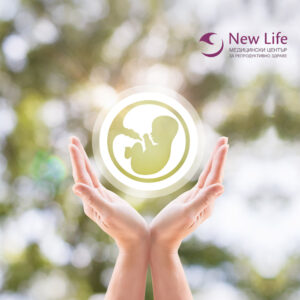
The concept of the “window of implantation” is crucial in reproductive medicine and the treatment of infertility. This period refers to the optimal timeframe within the menstrual cycle when the endometrium (the uterine lining) is receptive to the embryo, allowing for successful implantation and subsequent pregnancy.
Understanding this window is essential both for women trying to conceive and for medical professionals involved in assisted reproduction.
WHEN DOES THE WINDOW OF IMPLANTATION OCCUR?
The window of implantation typically occurs between days 19 and 21 of a standard 28-day menstrual cycle. Ovulation generally takes place around day 14, and the fertilized egg (now a blastocyst) travels through the fallopian tube toward the uterus over the following 5 to 6 days. For implantation to be successful, the endometrium must be in a receptive state when the blastocyst arrives.
BIOLOGICAL MECHANISMS
The transformation of the endometrium into a receptive state is guided by hormonal signals, primarily estrogen and progesterone. After ovulation, the corpus luteum (the remnant of the ovarian follicle) secretes progesterone, which triggers a series of changes in the endometrial lining. These changes include increased blood flow, secretion of nutrients, and modifications in cellular structure — collectively referred to as endometrial receptivity. Specific biomarkers, such as the expression of proteins like integrins and mucins, signal that the endometrium is ready to interact with the embryo.
CLINICAL SIGNIFICANCE
The implantation window is critical for assisted reproductive techniques. During in vitro fertilization (IVF), the timing of embryo transfer is carefully coordinated to match the woman’s implantation window. Advances in reproductive medicine have led to the development of tests that assess endometrial receptivity, such as the Endometrial Receptivity Array (ERA). This test analyzes endometrial tissue to determine the precise timing of the implantation window, thereby increasing the chances of successful implantation and pregnancy.
FACTORS AFFECTING THE IMPLANTATION WINDOW
Hormonal imbalances, such as those seen in polycystic ovary syndrome (PCOS) or luteal phase defects, can impair endometrial receptivity. Additionally, conditions such as endometriosis or uterine fibroids can alter the uterine environment, making implantation more difficult. Lifestyle factors, including stress, diet, and exposure to toxins, also play a role in endometrial health and receptivity.
The window of implantation is a critical phase in the journey to conception, representing a brief period during which the endometrium is optimally prepared to accept the embryo. A deeper understanding of this window, combined with advances in assisted reproductive technologies, can significantly enhance the outcomes of infertility treatments.
Related news
БАБИНДЕН – ПРАЗНИК НА ЖЕНИТЕ И МЕДИЦИНАТА
Сподели Facebook-f Instagram БАБИНДЕН – ПРАЗНИК НА ЖЕНИТЕ И МЕДИЦИНАТА

КАК ДА СЕ ПОДГОТВИМ ЕМОЦИОНАЛНО ЗА ИН ВИТРО?
Сподели Facebook-f Instagram КАК ДА СЕ ПОДГОТВИМ ЕМОЦИОНАЛНО ЗА ИН
РОЛЯТА НА ЕНДОМЕТРИУМА В УСПЕШНАТА ИМПЛАНТАЦИЯ
Сподели Facebook-f Instagram РОЛЯТА НА ЕНДОМЕТРИУМА В УСПЕШНАТА ИМПЛАНТАЦИЯ Ендометриумът,