

share
WHAT CAN I DO TO INCREASE MY CHANCES OF A SUCCESSFUL IVF PROCEDURE?
The success rate of IVF (in vitro fertilization) can vary depending on several factors, including the woman’s age, the cause of infertility, the quality of the eggs and sperm, the number of embryos transferred, and the experience of the reproductive health center you choose.
Generally, success rates are higher in younger women and decrease with age. According to the American Society for Reproductive Medicine (ASRM), the success rate for fresh embryo transfers in women under 35 is usually around 40-50% per cycle, while for women over 40, the success rate is lower, ranging from 10-20% per cycle. However, these rates can vary depending on individual circumstances.
HOW CAN I INCREASE MY CHANCES OF SUCCESS?
Choose a reputable reproductive health center: Look for clinics specializing in ART (assisted reproductive technologies) with experienced reproductive health specialists.
Make positive lifestyle changes to optimize fertility: This includes maintaining a healthy weight, regular exercise, quitting smoking, reducing alcohol intake, and managing stress. If you have a chronic condition such as hypertension or diabetes, it’s important to have it well controlled.
Strictly follow prescribed medications and treatment protocols provided by your reproductive health specialist. This may include oral medications, injections, or regular check-ups at your chosen center.
Consider preimplantation genetic diagnosis (PGD): This can help identify chromosomally normal embryos, increasing the chances of successful implantation and reducing the risk of miscarriage.
Seek psychological support: IVF can be emotionally challenging. Counseling or joining support groups can reduce stress and improve overall well-being during the process.
Be informed and ask questions: Educate yourself about the IVF process, potential risks, and success rates. Ask questions and communicate openly with your reproductive health specialist to ensure you understand your treatment plan and have realistic expectations.
If you have experienced an unsuccessful IVF procedure, remember that it is not a failure. It is important to consult a qualified specialist who can provide personalized advice based on your specific situation.
Related news
БАБИНДЕН – ПРАЗНИК НА ЖЕНИТЕ И МЕДИЦИНАТА
Сподели Facebook-f Instagram БАБИНДЕН – ПРАЗНИК НА ЖЕНИТЕ И МЕДИЦИНАТА

КАК ДА СЕ ПОДГОТВИМ ЕМОЦИОНАЛНО ЗА ИН ВИТРО?
Сподели Facebook-f Instagram КАК ДА СЕ ПОДГОТВИМ ЕМОЦИОНАЛНО ЗА ИН
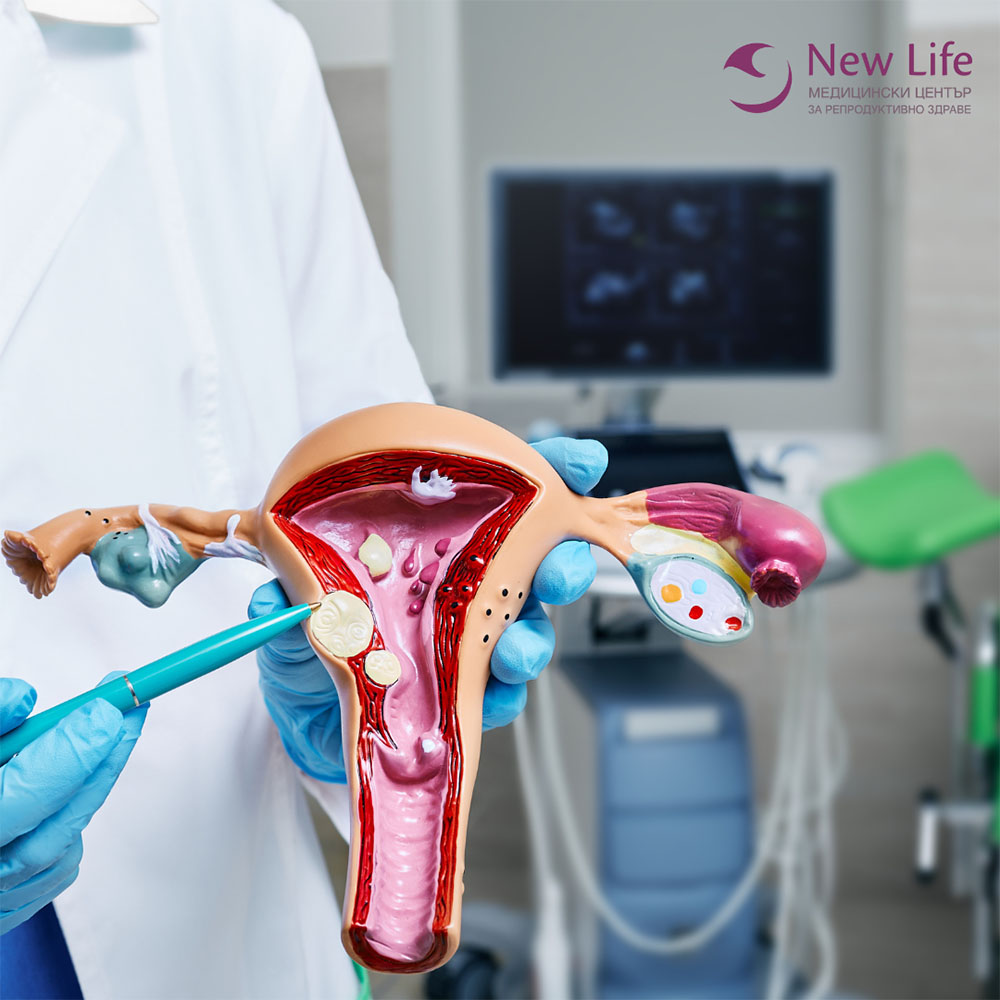
РОЛЯТА НА ЕНДОМЕТРИУМА В УСПЕШНАТА ИМПЛАНТАЦИЯ
Сподели Facebook-f Instagram РОЛЯТА НА ЕНДОМЕТРИУМА В УСПЕШНАТА ИМПЛАНТАЦИЯ Ендометриумът,