
share
THE ROLE OF THE ENDOMETRIUM IN SUCCESSFUL IMPLANTATION
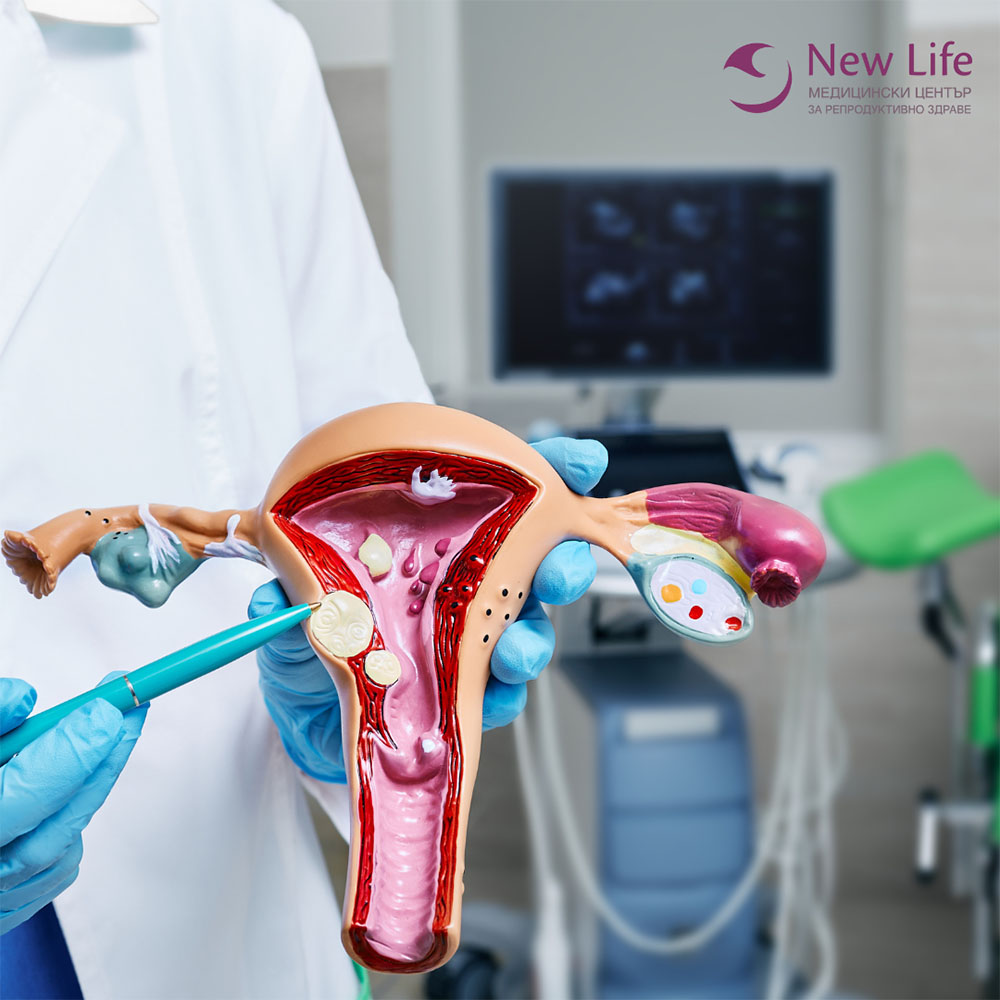
The endometrium, the inner lining of the uterus, plays a crucial role in reproductive health, especially in the process of successful implantation — a key step for the establishment of pregnancy. This highly specialized tissue undergoes cyclical changes in response to hormonal signals, preparing the uterus to receive and nourish the embryo. The success or failure of implantation largely depends on the quality and receptivity of the endometrium, making it an essential component for early pregnancy.
STRUCTURE AND FUNCTION
The endometrium has two distinct layers:
a functional layer, which goes through monthly cycles of growth, shedding, and regeneration, and
a basal layer, which remains constant and serves as a source for restoring the functional layer.
During the menstrual cycle, under the influence of estrogen and progesterone, the endometrium passes through three phases: proliferative phase, secretory phase, and menstrual phase. These phases are important for creating suitable conditions for implantation.
Proliferative Phase – This phase occurs after menstruation, when rising levels of estrogen cause thickening of the functional layer of the endometrium. Thickening of the endometrium is essential because it provides a rich environment filled with blood vessels and nutrients to support the embryo. Estrogen also stimulates the growth of glands and the vascular network in the endometrium, preparing it for possible implantation.
Secretory Phase – After ovulation, progesterone takes the lead and initiates the secretory phase. During this phase, the glands of the endometrium begin producing and secreting substances that create a favorable environment for the embryo. These secretions are rich in nutrients and growth factors important for nourishing the embryo in its early stages. The stromal cells of the endometrium also undergo a process called decidualization, during which they change structurally and biochemically to support implantation. This phase is known as the “implantation window,” usually occurring between days 20 and 24 of the 28-day cycle, when the endometrium is most receptive to embryo implantation.
Desquamative Phase (Menstruation) – If implantation does not occur, progesterone and estrogen levels fall, leading to the shedding of the functional layer of the endometrium during menstruation.
ENDOMETRIAL RECEPTIVITY AND IMPLANTATION
Endometrial receptivity refers to a specific period during which the endometrium is most favorable for embryo implantation. Successful implantation requires synchronized interaction between the embryo and the endometrium. Various molecular markers, including cytokines, growth factors, and adhesion molecules, participate in this complex process. One of the most important markers is the expression of integrins — cell adhesion molecules that help the embryo attach to the surface of the endometrium. Additionally, secretion of factors such as Leukemia Inhibitory Factor (LIF) and Vascular Endothelial Growth Factor (VEGF) supports embryo attachment and development of a healthy blood vessel system.
The implantation process involves three stages: apposition (initial contact between the blastocyst and endometrium), adhesion (stronger attachment), and invasion (when the blastocyst embeds itself into the endometrial tissue). If the endometrium is not receptive, the embryo will not implant, leading to unsuccessful pregnancy attempts.
ASSESSMENT OF ENDOMETRIAL RECEPTIVITY
To determine whether the endometrium is in its optimal receptive phase for implantation, several tests are used in modern reproductive medicine. One of the most commonly used is the Endometrial Receptivity Array (ERA) test, which analyzes gene expression and determines the exact timing of the “implantation window.” Other tests include endometrial biopsy to assess its structure and function, as well as measurements of key hormone markers such as progesterone and estradiol. Ultrasound can be used to measure endometrial thickness, aiding in the assessment of readiness for implantation. These tests are especially useful for couples facing difficulties conceiving or during procedures like in vitro fertilization (IVF).
CAUSES OF IMPLANTATION FAILURE
Conditions such as thin endometrium, endometriosis, or chronic endometritis can impair the ability to support implantation. Infections of the reproductive system, as well as various structural or hormonal issues, may affect the development and function of the endometrial lining. When using assisted reproductive technologies (ART) such as IVF, assessing and optimizing endometrial receptivity is crucial to improving pregnancy success rates.
The role of the endometrium in successful implantation cannot be underestimated. Its complex and dynamic nature, regulated by hormones and molecular signals, creates an optimal environment for the embryo to implant and develop. Understanding these functions is key to addressing fertility issues and improving outcomes in reproductive medicine.
Related news
THE ROLE OF THE ENDOMETRIUM IN SUCCESSFUL IMPLANTATION

HOW TO PREPARE EMOTIONALLY FOR IN VITRO FERTILIZATION
share Facebook-f Instagram HOW TO PREPARE EMOTIONALLY FOR IN VITRO
BABINDEN – A CELEBRATION OF WOMEN AND MEDICINE
Share Facebook-f Instagram BABINDEN – A CELEBRATION OF WOMEN AND