
Intrauterine insemination (IUI)
Minimally invasive method to assist conception
Intrauterine insemination (IUI) is a commonly used assisted reproduction method in which processed semen is directly introduced into the woman’s uterus around the time of ovulation. The goal is to increase the chances of natural fertilization.
The procedure can be performed either in a natural cycle or following hormonal stimulation of the ovaries (controlled ovarian hyperstimulation – COH). In both cases, the maturation of the eggs is monitored by ultrasound to determine the most suitable timing for insemination.
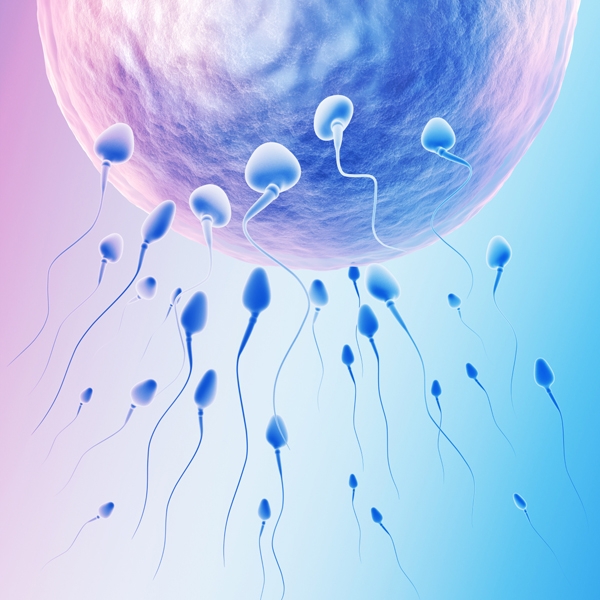
How does the procedure work?
- Processing of the semen sample: Before insertion, the sample undergoes a special processing aimed at isolating and concentrating the sperm with the best parameters — motility, morphology, and viability.
- Insertion into the uterus: The processed sample is directly introduced into the uterus using a thin, soft catheter. This bypasses the cervical canal, which is especially important for women with a cervical factor of infertility (e.g., unfavorable cervical mucus).
- Optimal timing: The insemination is performed immediately after ovulation is confirmed, which significantly increases the chances of success.
IUI is a gentle and affordable procedure often used as a first step in infertility treatment before moving on to more complex methods like in vitro fertilization (IVF).
Learn more about Intrauterine Insemination with Donor Sperm
When is IUI recommended?
The method is suitable for:
- Unexplained (idiopathic) infertility
- Cervical factor infertility (viscous, acidic, or insufficient cervical mucus)
- Ejaculation disorder
- Allergy to components of the seminal fluid
- Need for donor sperm
- Changes to the cervix due to trauma or surgical interventions